What Makes a Watch Valuable?

A watch can cost $50 or $50,000. But what actually drives the price of a watch and more importantly, what makes one worth anything to you? Let’s break it down.
There are three core pillars that determine what goes into the value of a watch: exclusivity, brand recognition, and craftsmanship. These aren’t equal, and they don’t always work together, but understanding each one can change how you look at a price tag.

Exclusivity
At its core, exclusivity creates value the same way it does for anything. A limited print, a sold-out sneaker, a table at a hot restaurant. Scarcity signals worth. The less available something is, the more people want it, and the more they’re willing to pay.
One form of exclusivity is price itself. A $10,000 watch excludes everyone who doesn’t have $10,000 to spend on a watch. Part of what you’re paying for is the fact that other people can’t afford it.
In the watch industry manufactured scarcity occurs when brands create artificial scarcity that drives demand, inflates secondary market prices, and reinforces the brand’s desirability. Rolex is the best example. They have watches, but you can’t get them right away. Waitlists, authorized dealer relationships, the whole ecosystem is engineered to create the feeling of rarity, whether or not that rarity is real.
Limited editions operate differently. Some watches are released in a fixed number of pieces, during a specific window, or exclusively at an event. Miss it and it’s gone. That finality creates urgency, and urgency creates value.
Brand Recognition

Brand recognition might be the most underappreciated driver of watch pricing. Most people who aren’t into watches couldn’t tell you what JLC, Zenith, or Longines makes. Almost everyone knows Rolex. That name recognition translates directly into value.
Brand recognition can also inflate a price and value beyond what the watch actually justifies. Well known brands are able to up charge their watches based solely on brand name. On the other hand, microbrands and smaller independents like Christopher Ward often deliver comparable movements and finishing at a fraction of the cost precisely because they don’t carry a brand tax.
Christopher Ward does something very customer-friendly that most brands don’t. One of their founding principles is to apply a maximum three times markup on the manufacturing price when setting retail price. This is remarkable considering other Swiss brands can mark up by 10-20+ times.
Craftsmanship
For a collector, craftsmanship is where the real evaluation happens. It’s what you look at to determine whether a price tag is honest.
Materials matter. Steel, gold, and platinum carry different costs and different finishes. The quality of those finishes: brushed surfaces, polished bevels, hand-applied indices, takes time and skill, and time and skill cost money. The movement inside matters too: its complexity, its accuracy, whether it carries a COSC or METAS certification. All of it adds up.

This is the part of the price you can actually interrogate. Identify how a watch is made, compare it to similar watches, and determine if the price is worth the purchase. Craftsmanship is the thing you can hold in your hand and evaluate.
So why are watches expensive?
Ultimately, because people will pay that much for them. Price is what the market will bear. But price and value aren’t the same thing.
What Actually Makes a Watch Valuable?
The three pillars above are worth understanding because you want to feel good about what you’re buying. You want to know you’re getting a quality piece that holds up.
A lot of people buy watches to mark something. A promotion, a graduation, a milestone birthday, a relationship. The watch becomes an object that carries that moment forward. Every time you look at your wrist, you’re not just checking the time.
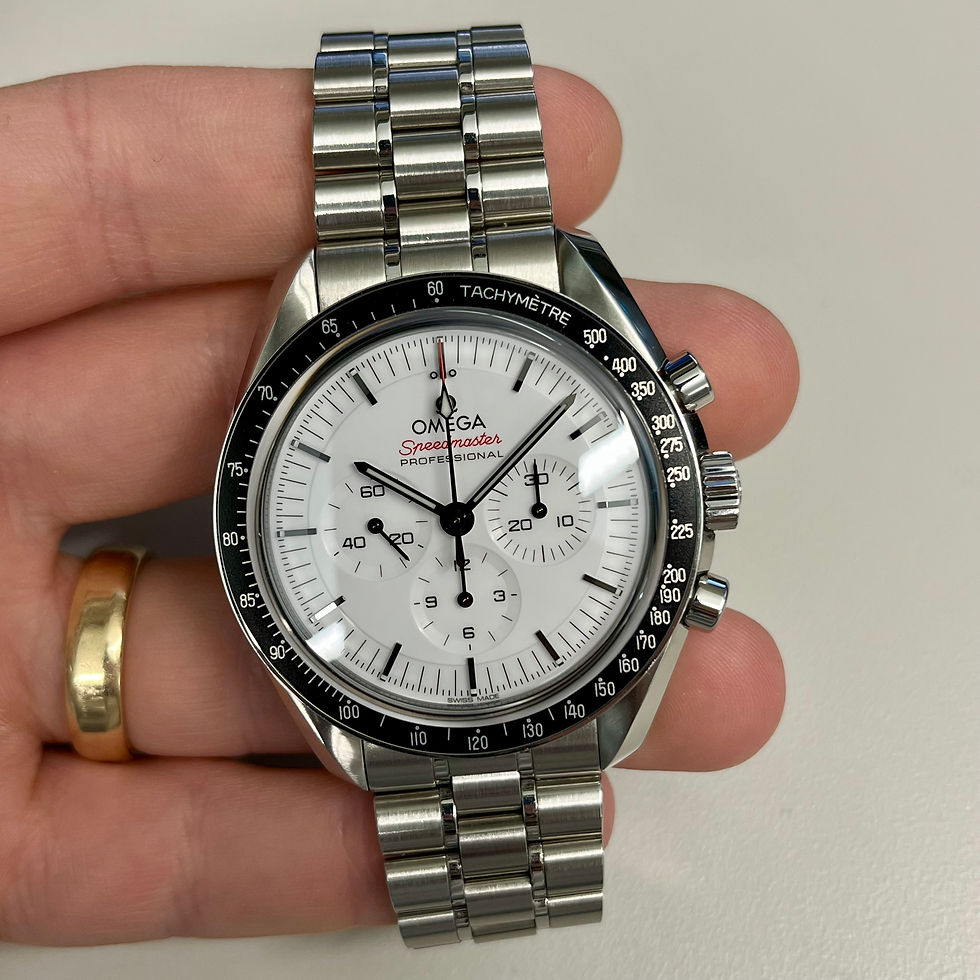
That’s what makes a watch genuinely valuable. Sure, the movement spec, the resale chart, and the brand name can justify the price and let you know you’re purchasing a trustworthy, quality product. But the reason behind the purchase is what brings meaningful value. If there’s no reason behind it, no moment or meaning attached to it, you’ll end up getting bored with the watch. The watches that stay in your collection are the ones that mean something to you.


Comments